Introduction
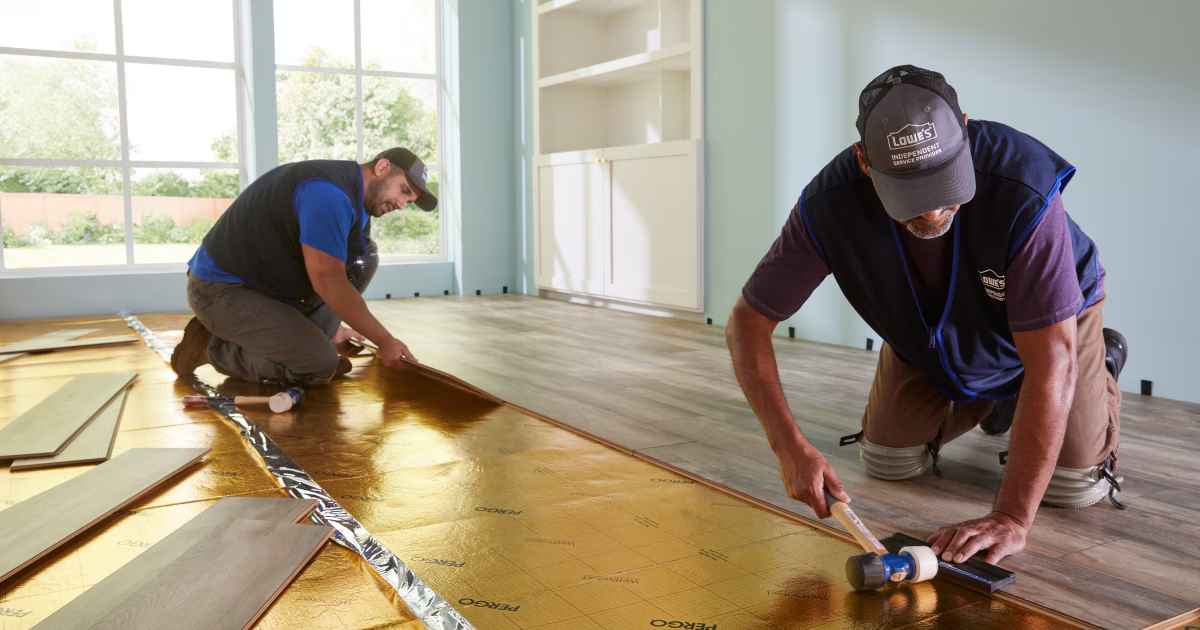
Choosing flooring for rental properties in the UK requires a different approach compared to owner-occupied homes. Landlords must balance cost, durability, maintenance, and tenant appeal. Flooring in rental homes experiences higher wear and tear, so selecting the right material can significantly reduce long-term repair and replacement costs while maintaining property value.
Why Flooring Matters in Rental Properties
Flooring is one of the first things tenants notice when viewing a property. It influences first impressions, comfort, and perceived value. At the same time, landlords must consider practicality—tenants may not maintain flooring as carefully as homeowners, meaning materials must be resilient and easy to clean.
Poor flooring choices can lead to frequent repairs, negative tenant reviews, and higher turnover costs. On the other hand, well-chosen flooring reduces maintenance issues and increases rental appeal.
Luxury Vinyl Flooring: The Top Choice for Landlords
Luxury vinyl flooring (LVT) has become the leading choice for UK rental properties. It offers a combination of durability, affordability, and visual appeal.
One of its strongest advantages is water resistance. In rental homes, spills and accidents are common, and vinyl flooring can handle moisture without damage. This makes it suitable for kitchens, bathrooms, hallways, and living areas.
It is also highly resistant to scratches and dents, which is important in high-traffic rental environments. Tenants moving furniture or using wheeled items will cause minimal damage compared to softer materials like wood or carpet.
Another benefit is ease of maintenance. Landlords prefer flooring that does not require special treatment, and vinyl can be cleaned quickly with standard household products.
Laminate Flooring: A Budget-Friendly Option
Laminate flooring is another popular option for rental properties due to its affordability and decent durability. It provides a wood-like appearance at a fraction of the cost of real wood flooring.
Modern laminate is more durable than older versions and often includes scratch-resistant surfaces. This makes it suitable for living rooms and bedrooms in rental properties.
However, laminate is less water-resistant than vinyl. If exposed to moisture for long periods, it can swell or warp. For this reason, it is better suited for dry areas of the home.
Carpet Flooring: Still Relevant in Rentals
Carpet remains common in UK rental properties, especially in bedrooms. It is cost-effective and provides warmth and comfort, which many tenants appreciate.
However, carpets require more maintenance than hard flooring options. They can stain easily and may hold odours over time. In rental properties with frequent tenant turnover, carpets may need replacing more often.
For landlords, low-pile, stain-resistant carpets are the best option. These are easier to clean and more durable than thick or luxury carpets.
Tile Flooring: Long-Term Durability
Tiles, particularly ceramic and porcelain, are extremely durable and long-lasting. They are ideal for kitchens, bathrooms, and entryways in rental properties.
Porcelain tiles are especially strong and resistant to moisture, making them a long-term investment. Once installed, they rarely need replacement unless physically damaged.
However, tiles can be more expensive to install initially. They also feel cold underfoot, which may be a downside in residential rental properties unless underfloor heating is installed.
Balancing Cost and Longevity
For landlords, the key decision is often between upfront cost and long-term savings. Cheaper flooring may reduce initial investment but can lead to higher maintenance costs over time.
Luxury vinyl flooring often provides the best balance, as it combines affordability with long lifespan and low maintenance. Laminate offers a lower initial cost but may require more frequent replacement in high-traffic rentals.
Tenant Preferences in the UK Market
Modern UK tenants increasingly prefer properties with hard flooring in living areas due to cleanliness and ease of maintenance. However, many still expect carpets in bedrooms for comfort.
Understanding tenant expectations can help landlords choose flooring that reduces vacancy periods and increases rental demand.
Maintenance Considerations for Landlords
Low-maintenance flooring is essential in rental properties. Materials that are easy to clean reduce the need for professional cleaning between tenants.
Vinyl and tile flooring require minimal upkeep, while carpets require deep cleaning or replacement more frequently. This should be factored into long-term property management costs.
Conclusion
The best flooring for UK rental properties depends on balancing durability, cost, and tenant appeal. Luxury vinyl flooring stands out as the most practical all-round solution, while laminate and carpets still have specific uses.
Landlords who invest in durable, low-maintenance flooring can reduce long-term costs and improve tenant satisfaction, making their properties more competitive in the UK rental market.
About the Author