Introduction
The kitchen is one of the busiest areas in any UK home. It is a space where spills, heat, moisture, and heavy foot traffic are part of daily life. Because of this, choosing the right flooring for a kitchen is extremely important. The ideal kitchen flooring must be durable, water-resistant, easy to clean, and still visually appealing.
Many homeowners make the mistake of prioritising style over practicality, only to face problems such as staining, warping, or difficult maintenance later. The right choice can improve both functionality and long-term value.
Key Requirements for Kitchen Flooring
Kitchen flooring must meet several essential criteria. First and foremost, it should be water-resistant or waterproof. Kitchens are prone to spills from cooking, washing dishes, and appliance use.
Secondly, it should be easy to clean. Grease, food particles, and liquid spills are common, so the surface must not absorb stains easily.
Thirdly, durability is critical. Kitchens experience constant movement, dropped items, and heavy appliances. Flooring must be strong enough to handle daily stress without damage.
Finally, design matters. The kitchen is a central part of modern UK homes, so flooring should complement the interior style.
Luxury Vinyl Flooring: The Leading Choice
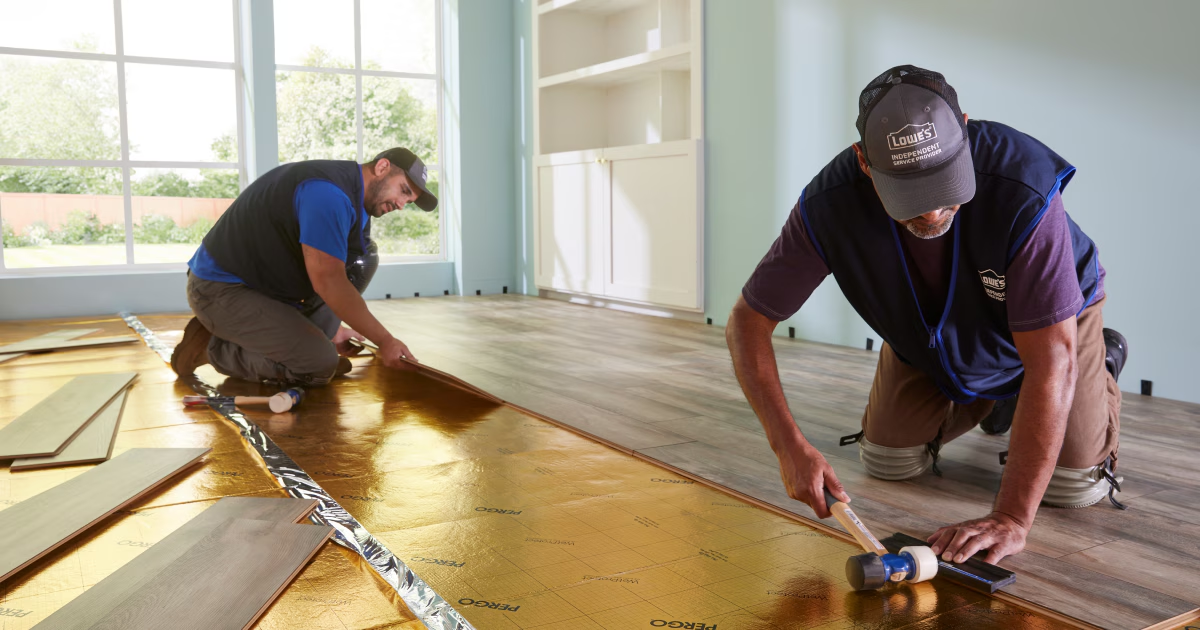
Luxury vinyl flooring (LVT) is widely considered the best all-round option for UK kitchens. It is completely water-resistant, making it ideal for areas where spills are frequent.
Vinyl flooring is also highly durable and resistant to scratches and stains. This is particularly useful in kitchens where chairs, appliances, and foot traffic can cause wear over time.
Another advantage is comfort. Vinyl is softer underfoot compared to tiles, making it more comfortable for long periods of standing while cooking.
Design flexibility is another key strength. Vinyl can replicate natural wood, stone, or tile, allowing homeowners to achieve premium aesthetics without the drawbacks of natural materials.
Tile Flooring: A Classic Kitchen Solution
Tiles, especially porcelain and ceramic, are a traditional and reliable choice for kitchens. They are fully waterproof and extremely durable.
Porcelain tiles are particularly strong and resistant to stains, making them suitable for busy households. They can withstand heat and heavy usage without damage.
The main drawback is comfort. Tiles are hard and cold underfoot, which can be uncomfortable during long cooking sessions. However, this can be improved with underfloor heating.
Laminate Flooring: A Budget Option
Laminate flooring is a more affordable alternative for kitchen spaces. Modern waterproof laminate has improved significantly and can handle light moisture exposure.
It offers a wood-like appearance at a lower cost, making it attractive for budget-conscious homeowners. However, it is not fully waterproof, so spills must be cleaned quickly to avoid damage.
Laminate is best suited for kitchens with moderate use and careful maintenance.
Engineered Wood: A Risky but Stylish Choice
Engineered wood flooring can be used in kitchens, but it comes with certain risks. While it is more stable than solid wood, it is still sensitive to moisture.
If properly sealed and maintained, it can work in open-plan kitchen-dining spaces. However, it is not ideal for heavy spill environments.
It is chosen mainly for aesthetic reasons rather than practicality.
Comfort and Safety Considerations
Kitchen flooring should also be safe and comfortable. Slip resistance is important, especially in homes with children or elderly residents.
Vinyl and textured tiles provide better grip compared to polished surfaces. This reduces the risk of accidents in wet conditions.
Comfort is also important, as kitchens are often used for extended periods of cooking and preparation.
Maintenance and Cleaning
Low maintenance is a key requirement for kitchen flooring. Vinyl and tiles are the easiest to clean, requiring only basic mopping and sweeping.
Laminate requires more care, especially around water exposure. Wood-based flooring needs careful maintenance to avoid damage.
Choosing easy-care flooring saves time and reduces long-term maintenance costs.
Style Trends in UK Kitchens
Modern UK kitchen design trends favour minimalist and natural looks. Grey tones, light wood finishes, and stone-effect flooring are particularly popular.
Luxury vinyl is leading this trend due to its ability to replicate high-end materials at a lower cost.
Conclusion
The best kitchen flooring in the UK depends on balancing durability, water resistance, and style. Luxury vinyl flooring stands out as the most practical and versatile option, while tiles remain a strong traditional choice.
Homeowners should always consider daily usage, maintenance needs, and long-term performance before making a decision.
About the Author