Introduction
Choosing the right flooring for a home in the UK is a decision that goes far beyond appearance. While style and colour are important, they should never be the only factors influencing your choice. The UK’s unique climate, combined with different household lifestyles, means that flooring must be both practical and durable. Investing in the right flooring can improve comfort, reduce maintenance costs, and increase property value over time.
Understanding the UK Climate and Its Impact on Flooring
The UK is known for its damp and unpredictable weather. Rainfall is frequent, humidity levels are often high, and temperatures can fluctuate throughout the year. These conditions can have a direct impact on flooring materials.
Moisture is the main concern. Flooring that absorbs water can swell, warp, or develop mould. This is especially common in older homes that may already have ventilation issues. For this reason, moisture-resistant flooring is essential in many UK properties, particularly on ground floors and in high-use areas.
Engineered Wood Flooring: Style with Stability
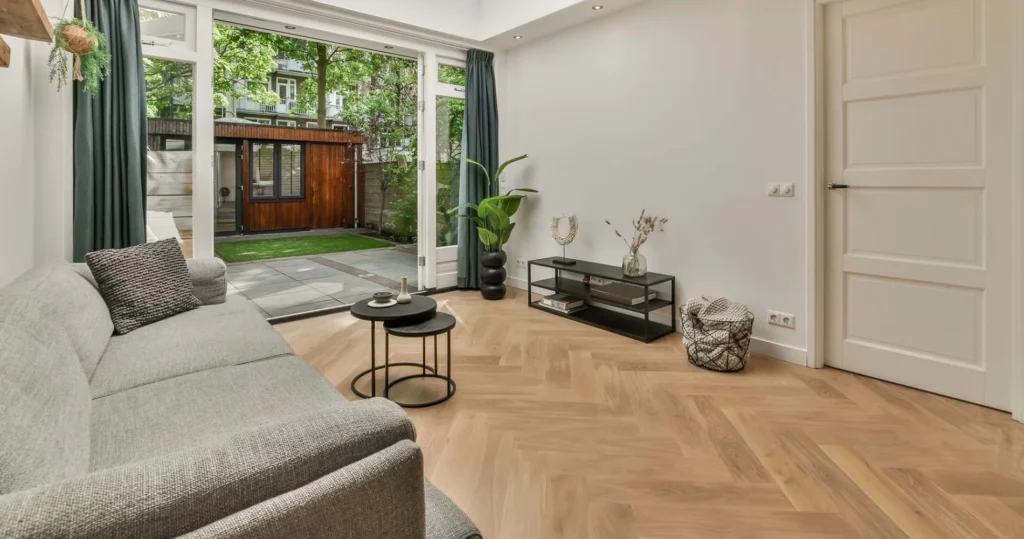
Engineered wood flooring is one of the most popular options in the UK. It provides the natural beauty of real wood while offering better resistance to moisture and temperature changes.
Unlike solid hardwood, engineered wood is made from several layers. This layered construction makes it more stable and less likely to expand or contract due to humidity. It is an excellent choice for living rooms, dining areas, and bedrooms where a warm and elegant look is desired.
However, while it is more resistant than solid wood, it is not completely waterproof. It should still be protected from excessive moisture and spills.
Luxury Vinyl Flooring: A Modern Solution
Luxury vinyl flooring has become a leading choice for UK homeowners in recent years. It is designed to mimic natural materials such as wood and stone, but with added durability and water resistance.
One of the biggest advantages of luxury vinyl is that it can handle moisture without damage. This makes it ideal for kitchens, bathrooms, and utility rooms. It is also highly durable and resistant to scratches, making it suitable for busy households.
Another benefit is its comfort. Unlike tiles, vinyl feels warmer and softer underfoot, which is a major advantage during colder months.
Laminate Flooring: Affordable and Practical
Laminate flooring is a cost-effective option that still offers a stylish appearance. It is designed to replicate wood but is generally more resistant to scratches and wear.
Modern laminate flooring has improved significantly and now includes water-resistant options. This makes it more suitable for UK homes than older versions. However, it is still important to avoid excessive moisture, as water can seep into the joints and cause damage.
Laminate is a good choice for hallways, living rooms, and bedrooms, especially in homes with moderate foot traffic.
Carpet Flooring: Comfort and Warmth
Carpet remains a traditional favourite in the UK, particularly in bedrooms and living spaces. It provides warmth, comfort, and insulation, which can help reduce heating costs during winter.
Carpets are also softer underfoot, making them ideal for families with young children. However, they do require regular cleaning to prevent dust buildup and allergens.
In damp environments, carpets can be more challenging to maintain. Proper ventilation and regular cleaning are essential to avoid issues such as mould or odours.
Tile Flooring: Durable and Water-Resistant
Tiles, especially porcelain and ceramic, are widely used in UK homes for areas exposed to water. Bathrooms, kitchens, and entryways often benefit from tiled flooring due to its durability and ease of cleaning.
Porcelain tiles are particularly strong and less porous than ceramic tiles, making them more resistant to moisture. They are also highly durable and can last for many years without showing signs of wear.
The main downside is that tiles can feel cold underfoot. However, this can be addressed with underfloor heating systems.
Matching Flooring to Your Lifestyle
Every household has different needs, and flooring should reflect this. For example, homes with pets may benefit from scratch-resistant materials like vinyl or laminate. Families with children may prefer softer flooring for safety and comfort.
Busy households often require low-maintenance options that can withstand heavy use. In contrast, quieter homes may prioritise aesthetics over durability.
Underfloor Heating and Compatibility
Underfloor heating is becoming increasingly popular in UK homes. It provides consistent warmth and can improve energy efficiency. However, not all flooring types are compatible with this system.
Tiles and engineered wood are among the best options for underfloor heating. Some laminates and vinyl flooring also work well, but it is important to check manufacturer guidelines.
Solid hardwood is generally not recommended, as it can expand and contract too much with temperature changes.
Maintenance and Long-Term Value
Different flooring materials require different levels of maintenance. Tiles and vinyl are relatively easy to clean, while wood and carpets may need more care.
Choosing low-maintenance flooring can save time and money in the long run. It is also important to consider durability, as replacing flooring can be costly.
High-quality materials may have a higher upfront cost but often provide better value over time due to their longevity.
Sustainability and Eco-Friendly Options
Sustainability is becoming an important factor for UK homeowners. Many are now looking for environmentally friendly flooring options.
Engineered wood from certified sources, recycled materials, and low-emission products are all good choices. These options help reduce environmental impact while still providing high performance.
Conclusion
Choosing the right flooring for a UK home requires careful consideration of climate, lifestyle, and budget. There is no one-size-fits-all solution, and each material has its own advantages and limitations.
By understanding how different flooring types perform in UK conditions, homeowners can make informed decisions that improve both comfort and property value. The right flooring is not just a design choice—it is a long-term investment in your home.
About the Author