Introduction
Proper flooring installation is just as important as choosing the right material. Even the highest-quality flooring can fail if it is not installed correctly. In UK homes, where humidity and temperature changes are common, installation quality directly affects durability, appearance, and performance.
This guide explains the key steps, considerations, and professional tips for successful flooring installation.
Importance of Proper Installation
Incorrect installation can lead to problems such as gaps, warping, uneven surfaces, and moisture damage. These issues not only affect appearance but also reduce the lifespan of the flooring.
Professional installation ensures that the flooring is properly fitted, levelled, and sealed. This is especially important for materials like wood, vinyl, and tiles.
Preparing the Subfloor
Subfloor preparation is one of the most critical steps. The surface must be clean, dry, and level before any flooring is installed.
Any uneven areas should be corrected using levelling compounds. Moisture levels must also be checked, particularly in older UK homes where damp is common.
A poorly prepared subfloor can cause flooring to shift, crack, or deteriorate over time.
Installation of Luxury Vinyl Flooring
Luxury vinyl flooring is one of the easiest types to install. It comes in click-lock or glue-down systems.
Click-lock vinyl is popular for DIY installations, as it simply clicks into place without adhesive. However, professional installation is still recommended for larger areas.
Glue-down vinyl provides a more permanent and stable finish, especially in high-traffic areas.
Installing Laminate Flooring
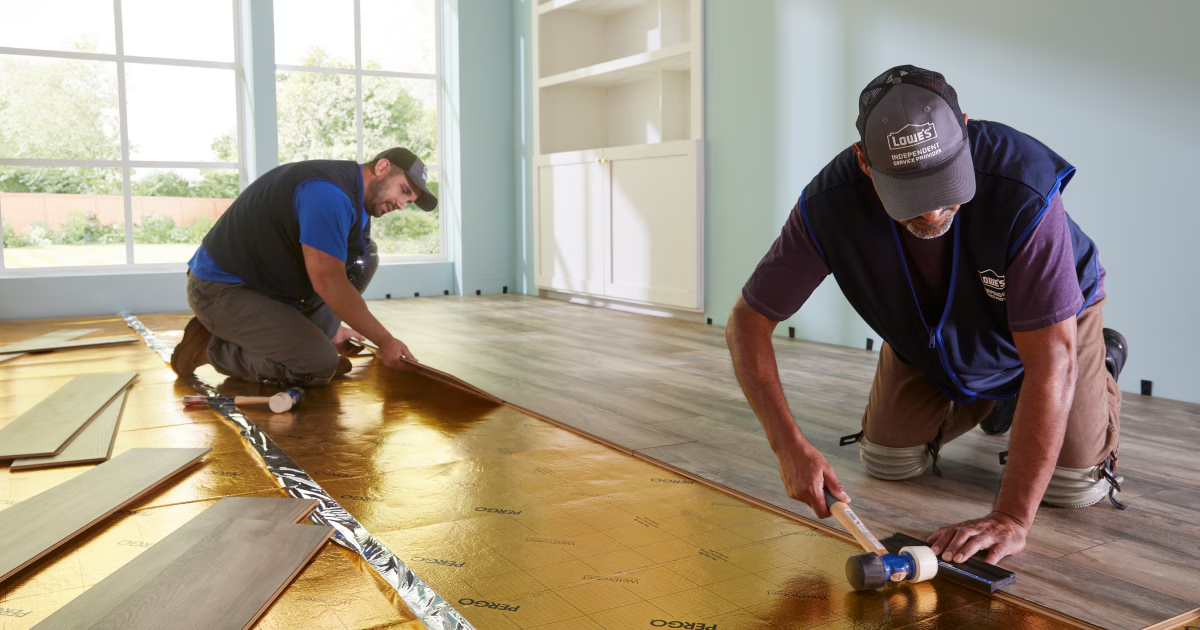
Laminate flooring is installed using a floating floor system. It is not fixed directly to the subfloor but instead clicks together and rests on an underlay.
Expansion gaps must be left around the edges to allow for natural movement due to temperature changes.
Failure to leave proper expansion space can result in buckling or lifting.
Tile Installation Process
Tile installation is more complex and requires precision. Tiles must be laid on a solid, level surface using adhesive.
Spacing between tiles must be consistent, and grout is used to fill the gaps. Proper sealing is essential to prevent moisture penetration.
Due to the technical nature of tile installation, professional fitting is strongly recommended.
Wood and Engineered Flooring Installation
Wood flooring requires careful handling due to its sensitivity to moisture and temperature.
Engineered wood can be glued, nailed, or floated depending on the subfloor. Acclimatisation is also important—wood should be left in the room for several days before installation.
This allows it to adjust to room temperature and humidity.
Common Installation Mistakes
Some of the most common mistakes include:
- Poor subfloor preparation
- Incorrect expansion gaps
- Improper adhesive use
- Skipping moisture testing
- Rushing the installation process
These mistakes can significantly reduce flooring lifespan.
Importance of Underlay
Underlay plays an important role in flooring installation. It provides cushioning, sound insulation, and moisture protection.
Choosing the right underlay depends on the flooring type and room usage. For example, thicker underlay is often used for laminate flooring to improve comfort.
Professional vs DIY Installation
While some flooring types like click-lock vinyl or laminate can be installed by homeowners, professional installation offers better long-term results.
Professionals ensure accuracy, proper sealing, and compliance with manufacturer guidelines. This reduces the risk of future issues.
Maintenance After Installation
Once flooring is installed, proper maintenance ensures longevity. Regular cleaning, avoiding excessive moisture, and using protective pads under furniture all help preserve the surface.
Different flooring types have different care requirements, so following manufacturer instructions is important.
Conclusion
Flooring installation is a critical step that determines the performance and lifespan of your flooring. Proper preparation, correct installation methods, and attention to detail ensure long-lasting results.
For UK homes, where moisture and temperature changes are common, professional installation is often the best choice for achieving durable and high-quality flooring results.
About the Author