Introduction
Waterproof flooring has become one of the most important home improvement trends in the United States. Modern homeowners want flooring that looks beautiful, lasts for years, and handles moisture without damage. Kitchens, bathrooms, laundry rooms, basements, and even living rooms now require flooring materials that combine durability with style.
Traditional flooring materials often struggle with water exposure. Hardwood can warp, carpet can trap moisture, and low-quality laminate may swell over time. Because of these issues, waterproof flooring solutions have gained massive popularity among homeowners and interior designers.
Choosing the right waterproof flooring depends on budget, lifestyle, maintenance needs, and design preferences. Some materials are ideal for families with children and pets, while others work better for luxury interior spaces.
This guide explains the best waterproof flooring options for American homes in 2026 and helps homeowners select flooring that delivers long-term value and performance.
Luxury Vinyl Plank Flooring
Luxury vinyl plank flooring, commonly called LVP flooring, continues to dominate the American flooring market. Homeowners love this flooring because it combines realistic wood visuals with waterproof protection.
Modern luxury vinyl planks mimic hardwood flooring so effectively that many visitors cannot tell the difference. Advanced printing and texture technology create realistic wood grains, knots, and natural color variations.
One of the biggest advantages of LVP flooring is its waterproof core. Unlike hardwood, vinyl planks do not absorb water, making them perfect for kitchens, bathrooms, basements, and laundry rooms.
Benefits of Luxury Vinyl Plank Flooring
- Completely waterproof
- Affordable compared to hardwood
- Scratch resistant
- Pet friendly
- Comfortable underfoot
- Easy to clean
- Wide variety of styles and colors
Luxury vinyl flooring also performs well in high-traffic homes. Families with children and pets often prefer vinyl flooring because it resists scratches and stains better than many natural materials.
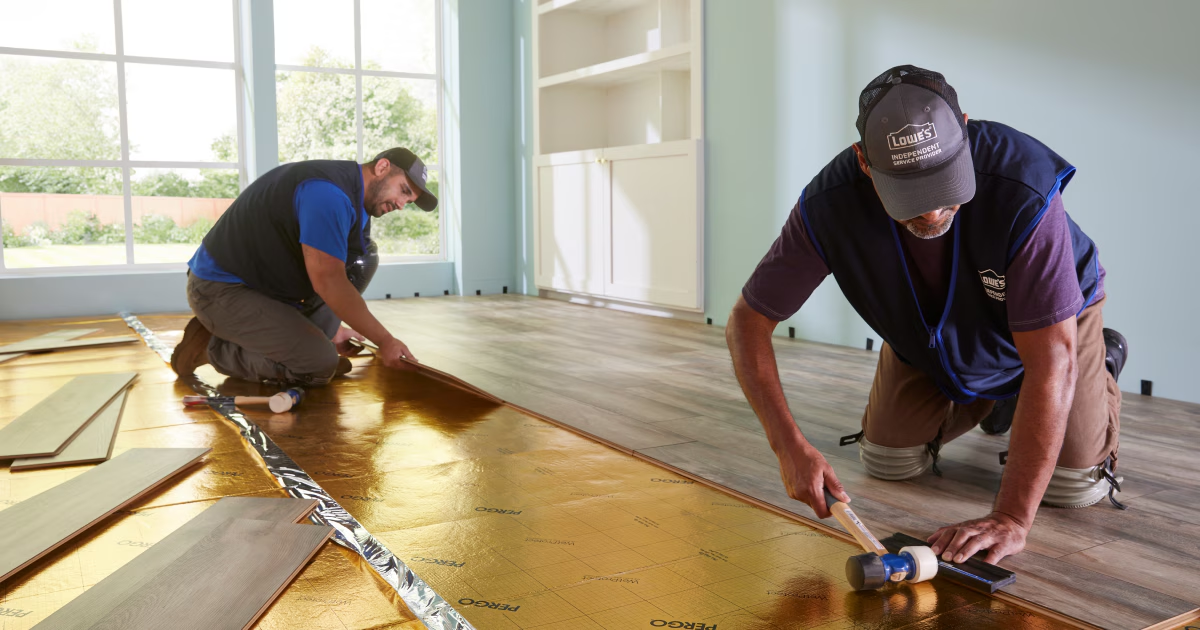
Another major advantage is installation flexibility. Many LVP products feature click-lock systems that allow quick installation over existing floors.
Waterproof Laminate Flooring
Waterproof laminate flooring has improved significantly over the past few years. Earlier laminate products were highly vulnerable to water damage, but modern waterproof laminate includes sealed edges and moisture-resistant cores.
This flooring option provides the appearance of real wood while offering improved durability and lower costs.
Many American homeowners choose waterproof laminate because it offers:
- Realistic hardwood appearance
- Better scratch resistance
- Budget-friendly pricing
- Simple installation
- Strong durability
Waterproof laminate works especially well in living rooms, bedrooms, hallways, and dining areas. However, homeowners should still avoid prolonged standing water exposure because some laminate products may eventually swell if moisture penetrates seams.
Tile Flooring for Wet Areas
Tile flooring remains one of the most reliable waterproof flooring solutions available today. Porcelain and ceramic tiles are widely used in bathrooms, kitchens, showers, mudrooms, and laundry spaces.
Porcelain tile is especially popular because it absorbs very little moisture and handles heavy traffic exceptionally well.
Advantages of Tile Flooring
- Fully waterproof
- Extremely durable
- Heat resistant
- Long lifespan
- Ideal for bathrooms and kitchens
- Available in countless designs
Modern tile designs now imitate hardwood, marble, concrete, and natural stone. Large-format tiles and wood-look tiles are especially popular in modern American homes.
One downside of tile flooring is that it can feel cold and hard underfoot. Some homeowners install radiant floor heating systems underneath tile to improve comfort during winter months.
Engineered Hardwood Flooring
Engineered hardwood flooring provides a balance between natural wood beauty and moisture resistance. Unlike solid hardwood, engineered hardwood includes layered construction that improves stability.
While engineered hardwood is not fully waterproof, it handles humidity and moisture better than traditional solid hardwood flooring.
This flooring option is ideal for homeowners who want authentic wood appearance without the higher moisture risks associated with solid hardwood.
Why Homeowners Choose Engineered Hardwood
- Real wood surface
- Better moisture resistance
- Increased stability
- Higher resale value
- Elegant appearance
- Suitable for modern interiors
Engineered hardwood works best in living rooms, bedrooms, offices, and dining areas. Homeowners should still avoid installing it in areas with constant moisture exposure.
Waterproof Flooring for Pet Owners
Pet owners have unique flooring requirements. Dogs and cats can scratch flooring surfaces, spill water, and create accidents that damage certain materials.
Luxury vinyl flooring remains one of the best waterproof flooring options for pet-friendly homes because it offers:
- Scratch resistance
- Water protection
- Easy maintenance
- Comfort for pets
- Noise reduction
Tile flooring also works well for pet owners, although some pets may find tile slippery or uncomfortable.
Homeowners with large dogs should prioritize flooring with thick wear layers and textured finishes for better durability.
Best Waterproof Flooring for Basements
Basements require flooring that handles humidity, temperature changes, and occasional moisture issues.
The best basement flooring options include:
Luxury Vinyl Plank
LVP flooring performs exceptionally well in basements because it resists moisture and feels warmer than tile.
Tile Flooring
Porcelain tile provides maximum water resistance and durability for finished basements.
Epoxy Flooring
Some homeowners choose epoxy flooring for basement gyms, storage areas, and utility spaces because it offers strong moisture resistance.
Carpet and solid hardwood are generally poor basement flooring choices because moisture can lead to mold and structural damage.
Waterproof Flooring Installation Costs
Flooring costs vary depending on material quality, installation complexity, and labor rates across different regions in the United States.
Average Flooring Costs in 2026
| Flooring Type | Average Cost Per Square Foot |
|---|---|
| Luxury Vinyl Plank | $3 – $8 |
| Waterproof Laminate | $4 – $9 |
| Porcelain Tile | $5 – $15 |
| Engineered Hardwood | $6 – $16 |
Professional installation typically increases total project costs, but quality installation improves flooring lifespan and appearance.
Homeowners should also budget for underlayment, floor preparation, trim replacement, and furniture moving.
How to Choose the Right Waterproof Flooring
Selecting the best flooring depends on how each room is used.
For Kitchens
Luxury vinyl plank and tile flooring are excellent choices because they resist spills and stains.
For Bathrooms
Porcelain tile remains the most reliable waterproof bathroom flooring option.
For Living Rooms
Engineered hardwood and waterproof laminate offer stylish designs with strong durability.
For Homes With Pets
Luxury vinyl flooring provides the best balance of comfort, durability, and water resistance.
For Rental Properties
Waterproof vinyl flooring is highly cost-effective and easy to maintain between tenants.
Flooring Maintenance Tips
Even waterproof flooring requires proper maintenance to maximize lifespan.
Important Maintenance Practices
- Clean spills quickly
- Use furniture pads
- Sweep regularly
- Avoid harsh chemicals
- Use manufacturer-approved cleaners
- Maintain indoor humidity levels
Proper maintenance preserves flooring appearance and prevents unnecessary wear.
Conclusion
Waterproof flooring has transformed modern home design in the United States. Homeowners no longer need to sacrifice style for durability because today’s flooring products combine attractive visuals with advanced moisture protection.
Luxury vinyl plank flooring continues to lead the market because of its affordability, waterproof performance, and realistic wood appearance. Tile flooring remains the top choice for bathrooms and wet areas, while engineered hardwood offers natural elegance with improved stability.
Choosing the right flooring ultimately depends on budget, lifestyle, room usage, and long-term maintenance expectations. Investing in quality waterproof flooring improves comfort, enhances property value, and creates a more durable living environment for years to come.
About the Author